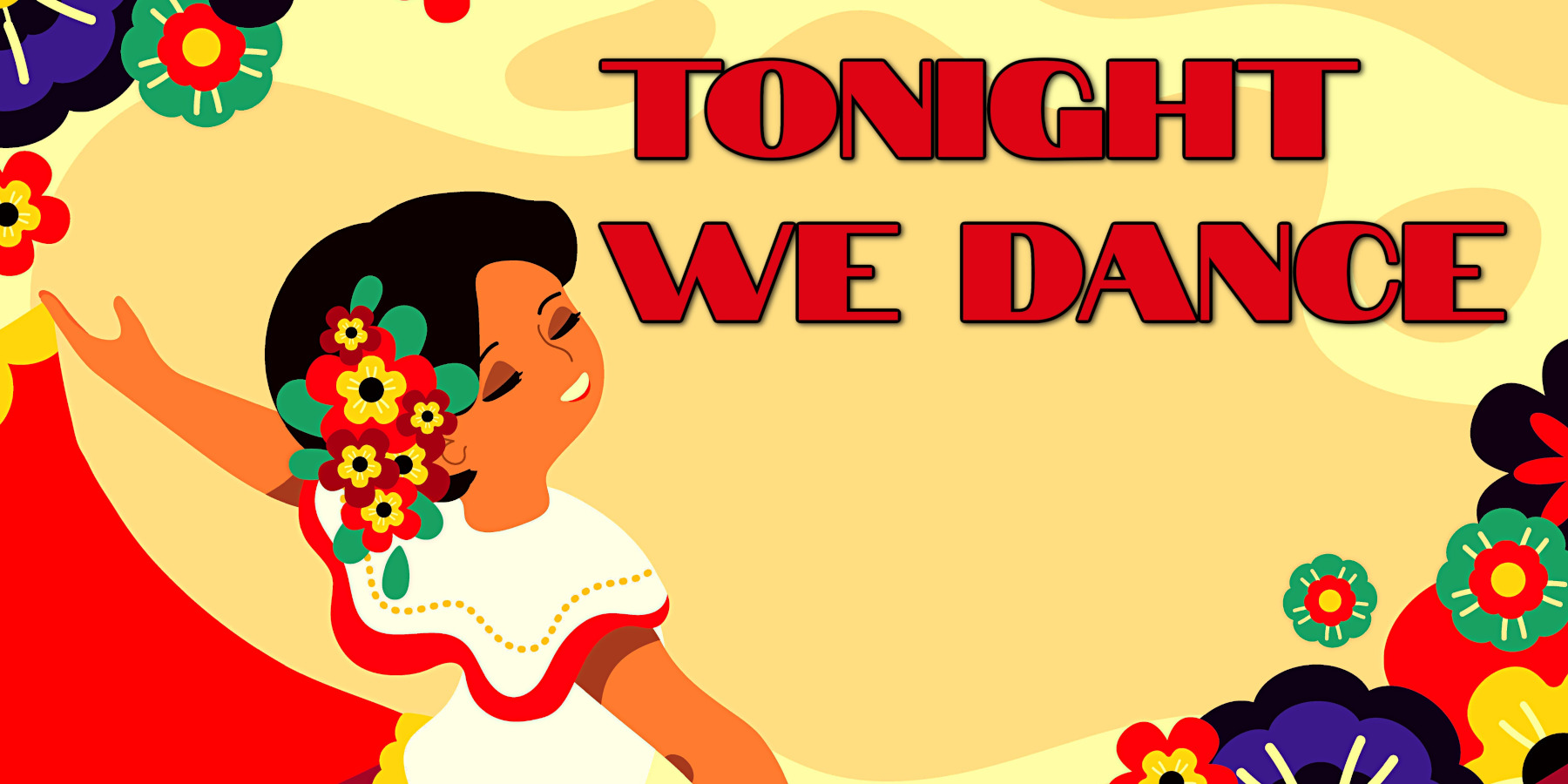
Community is complex and often tricky. Even the most tightly knit and ideologically aligned groups are entirely free of interpersonal conflict. Because of this, learning how to manage and heal from these conflicts is a crucial skill for anyone who wants to exist within a community. Tonight We Dance beautifully spotlights this, dropping players into a deeply connected community that, despite its warmth, has several conflicts bubbling just beneath the surface.
Created by Penny Blake, Tonight We Dance is a multiplayer TTRPG that uses a deck of playing cards and a handful of dice to tell the story of a community dealing with its internal strife.
A Single Day To Rebuild Bridges

The game starts with the players creating their characters and the world these characters inhabit. This is a very open-ended process, with the game asking players to think of who their character is, how they joined the group, and what persecution their character is facing outside of the group.
After this, each player should decide how their character is connected to every other group member and come up with a conflict that is currently interfering with that specific relationship. Finally, nine cards are drawn from the Oracle deck and placed faced down on the table.
Tonight We Dance takes place over a single day. This day is split into three segments: Morning, Noon, and Evening. For each of these segments, players perform two vignettes.
At the start of each vignette, each player draws a card from the oracle deck. The player who drew the highest card gets to decide the vignette’s location. The one with the second-highest card rolls two dice to randomly select which conflicts will be the focus of the scene. The player with the next highest draw selects one of the previously drawn, face-down oracle cards. This card is then compared to a prompt table to find out the vignette’s general theme and its ending. Any other players get to each add one detail or element to the scene.
After this, the selected players play out the vignette, using the prompt as a guide. However, at any time, another player (even one not involved in the current vignette) can activate their flashback. When they do this, they flashback to an event or encounter that is relevant to the current scene or laid the seeds for the current conflict.
Once all of the vignettes have been completed, the Last Dance begins. All the characters gather to dance and share music with one another. At the start of this stage, each player gets a chance to resolve their issue with one character they still have lingering issues with by drawing one of the remaining face-down oracle cards.
Finally, each player takes a moment to explain what their character does at the celebration and what their overriding emotion is, before the entire game is brought to a close.
Focused Drama Leads To Memorable Scenes

Tonight We Dance is one of those TTRPGs where the game becomes more than a sum of its parts during play. The game’s prompts do a great job of setting up dramatic scenarios without railroading the players into a specific storyline. This means that, as the game progresses, players will quickly find themselves crafting an intense, complex, and moving story.
One of the best elements of Tonight We Dance is its decision to have each vignette focus on two characters. A problem many roleplay-heavy TTRPGs face is that scenes become muddled and directionless as everyone ends up talking over each other, meaning that the scene’s emotional core often gets drowned out. By focusing on only two characters per vignette, Tonight We Dance sidesteps this issue, meaning that each vignette remains focused and intense from beginning to end. This focus also gives players space to consider each relationship on a deeper level, meaning that Tonight We Dance’s characters have a depth that other TTRPG characters lack.
However, Tonight We Dance also does a fantastic job of making sure every player feels part of the experience, even if they’re not the focus of the current vignette. Having every player choose the building blocks of the upcoming vignette is the best example of this, as not only does it mean that every player will have an impact on every vignette, but it also means that the game remains varied, as the number of moving parts means that no two vignettes will be the same.
In another nice touch, the early pages of Tonight We Dance feature some notes from designer Penny Blake, which explain how the game was inspired by their Romani heritage, as well as detailing the game’s overall thesis. Plus, each page includes some wonderfully written flavor text that does a fantastic job of setting the scene and guiding players towards the tone and style of story the game excels at telling, meaning that Tonight We Dance feels like a super-cohesive experience.
Tonight We Dance is a deeply memorable experience that does a fantastic job of capturing the tangled web of relationships, emotions, and conflicts that make up a community. However, what makes the game stand out from similar relationship simulation TTRPGs is its optimism. Tonight We Dance makes it clear that, while community can often be tough and full of conflict, it is worth working to heal these fractured bonds and overcome the barriers that threaten to drive people apart. Because in an increasingly hostile world, community is the one tool we have to push back against the structures that seek to persecute us.